Program

Sakha: The Sakha people are a Turkic ethnic group native to the Sakha Republic (Yakutia) in northeastern Siberia, a region famous for its extreme sub-arctic climate. Historically semi-nomadic, they developed a resilient culture centered on the breeding of hardy cattle and horses, as well as a rich spiritual life rooted in shamanism and the oral tradition of the Olonkho epics. Today, they maintain a vibrant cultural identity expressed through the summer solstice festival of Ysyakh, skilled craftsmanship in silver and ivory, and a unique linguistic heritage that reflects their ancestral migration from the Lake Baikal region to the Lena River basin.
Performance by Rain City Muğam
“Suollar” (Roads), performed by the Sakha artist Anatoly Burnashev, is a profound lyrical meditation on the dual nature of travel and the spiritual pull of one’s homeland. The song frames the road not just as a physical path, but as a “wandering artery” of history, positioning the individual as a single drop within that timeless flow. Burnashev’s evocative delivery captures the restlessness of the “randomly released arrow” roaming the world, only to find that every global path eventually leads back to a singular point of origin. Central to the song’s emotional weight is the concept of the Alaas—the traditional Sakha heartland of meadows and lakes—which serves as the ultimate destination where the world’s most famous roads “humbly come to an end,” transforming a simple journey into a soulful return to identity and peace.
“Having become the artery of wandering centuries, the sacred valleys linger. Becoming a drop in that artery, I set out on a distant path. It turns out that it is here where the paths and roads of the entire world begin. It turns out that it is here where the most famous roads come humbly to an end. Like a randomly released arrow, I roam freely across the world. And as if lost in a thick fog, I grow homesick in foreign lands. But eventually, I return home, mocking the journeys that distanced me from it. Leaving all my troubles behind, I am immersed in thought as I gaze upon my native Alaas.“

Tuvans: Living in the heart of Asia, Tuvans are famous for their unique tradition of throat singing (khoomei) and their dual heritage of shamanism and Tibetan Buddhism. They have traditionally been semi-nomadic reindeer herders or livestock pastoralists in the Sayan Mountains.

Khakass: Residing in the Minusinsk Hollow of southern Siberia, the Khakass are a collection of several Turkic groups known for their rich oral epics and archaeological heritage. Their culture is deeply intertwined with the “Valley of the Kings,” where ancient burial mounds and stone stelae dot the landscape.

Altai: The Altai people inhabit the Altai Mountains, often considered the ancestral spiritual home of the Turkic world. They maintain a profound spiritual connection to the “Golden Mountains,” practicing traditional beliefs that emphasize the sanctity of nature and the preservation of ancient epic storytelling.
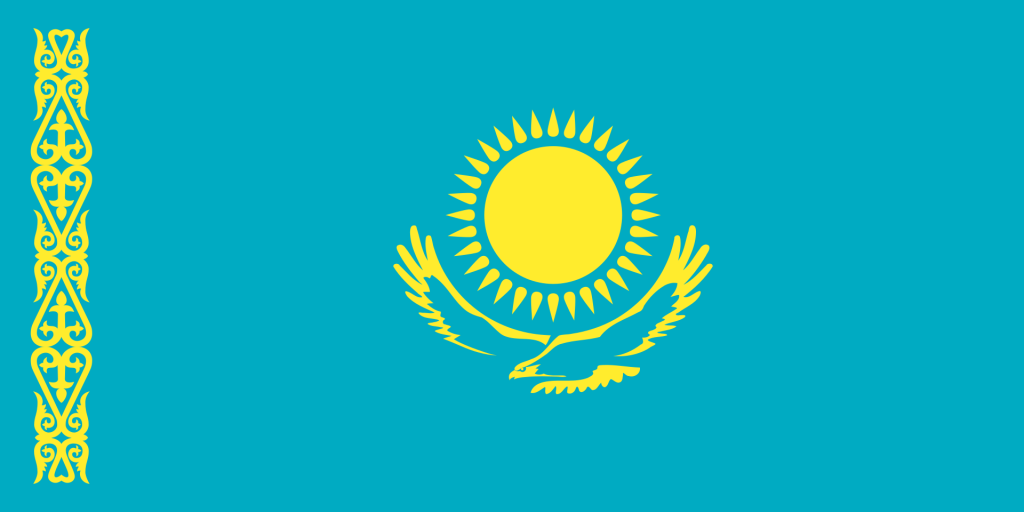
Kazakhs: A Turkic people of the vast Eurasian steppes, the Kazakhs are heirs to a nomadic legacy defined by eagle hunting, yurt living, and a deep history of khanates. Their culture is famously hospitable, centered on the dombra (a long-necked lute) and a transition from nomadic roots to a modern, transcontinental identity.
Performance by Ali Stambayev (Click here for bio)
Adai: “Adai” is one of the most powerful and celebrated kuis (instrumental compositions) by the legendary 19th-century Kazakh composer Kurmangazy Sagyrbayuly. Named after a brave and rebellious Kazakh tribe from the western regions, the piece is a masterclass in the technical possibilities of the dombra. It is characterized by an unrelenting, driving rhythm and a rapid-fire plucking style that evokes the image of a galloping horse across the vast Eurasian steppe. Beyond its musical complexity, “Adai” serves as an enduring symbol of the Kazakh spirit—embodying themes of freedom, defiance, and the sweeping energy of nomadic life.
Көңіл толқыны (Könil tolkyny): “Көңіл толқыны” (Waves of the Soul) is a deeply emotive and lyrical kui composed by the renowned 20th-century Kazakh musician Sekesh Rakishev. Unlike the high-energy, gallop-like rhythms typical of many traditional dombra pieces, this composition is celebrated for its philosophical depth and gentle, melodic flow. It masterfully captures the internal “waves” of human emotion—moving between moments of quiet contemplation, nostalgic longing, and sweeping spiritual elevation. Its enduring popularity stems from its ability to showcase the dombra’s capacity for tenderness and intimacy, making it a beloved masterpiece of modern Kazakh instrumental music.

Kyrgyz: Primarily inhabiting the mountainous Tian Shan region, the Kyrgyz people are renowned for their epic poem, the Manas, and a resilient pastoral lifestyle. They have historically excelled in horsemanship and felt handicrafts, maintaining a strong connection to the alpine landscapes that define their homeland.
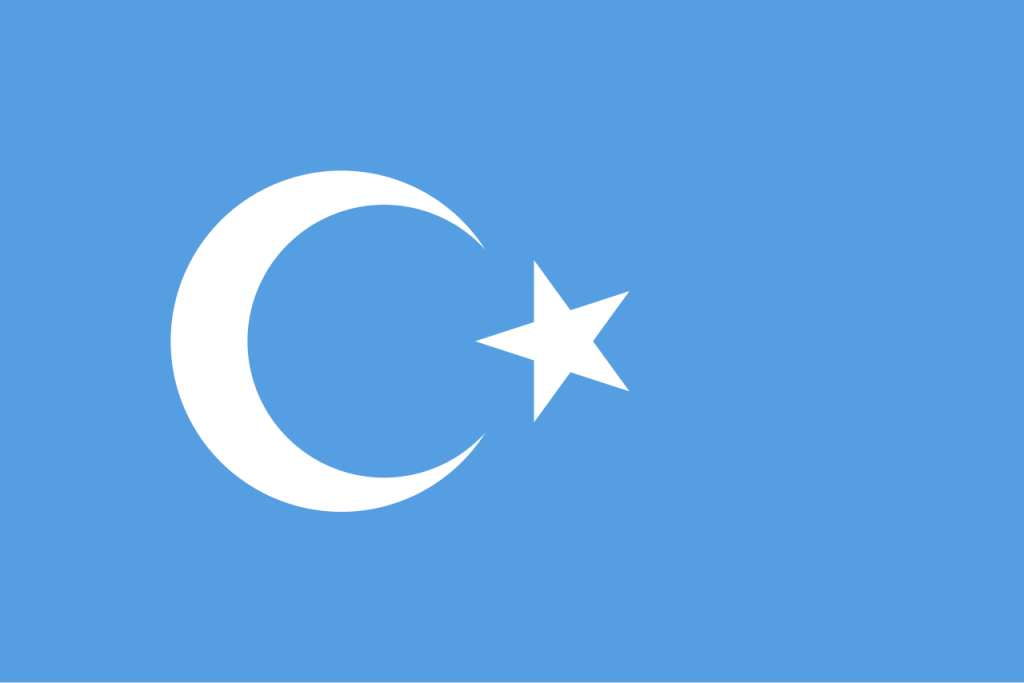
Uyghur: Native to the Tarim Basin in East Turkestan (Xinjiang), the Uyghurs have a long history as an oasis-dwelling, sedentary society. Their culture is distinguished by intricate Muqam music, sophisticated irrigation systems (karez), and a vibrant culinary tradition influenced by the Silk Road.
Performance by Rain City Muğam & Anadolu Turkish Musicians
Hasret Çektim: “Hasret Chektim” (I Have Suffered Longing) is a poignant and soul-stirring masterpiece within the vast Uyghur musical tradition, often associated with the classical Muqam or the expressive folk songs of the Ili region. The song is a profound meditation on hasret—a specific type of yearning or melancholic longing for a distant beloved, a lost homeland, or a spiritual connection. Characterized by its soaring vocal lines and the intricate, shimmering accompaniment of the dutar or rawap, the melody moves with a deliberate, haunting grace that captures the emotional weight of separation. It remains a quintessential piece for understanding the Uyghur “soul,” blending technical melodic complexity with a raw, universal expression of heartache and resilience.
“I cannot turn away from the moon when I look upon your moon-like face. I feel a sense of shame and cannot bear to look at you when you frown. I have felt such longing; I have missed my darling. When you knit your brows, was it because I hurt you? My trust in you is absolute, and I have never given up hope in you. In this world that lasts but six days, can I find shelter and rest in your house? Can I endure the suffering of being without you?”
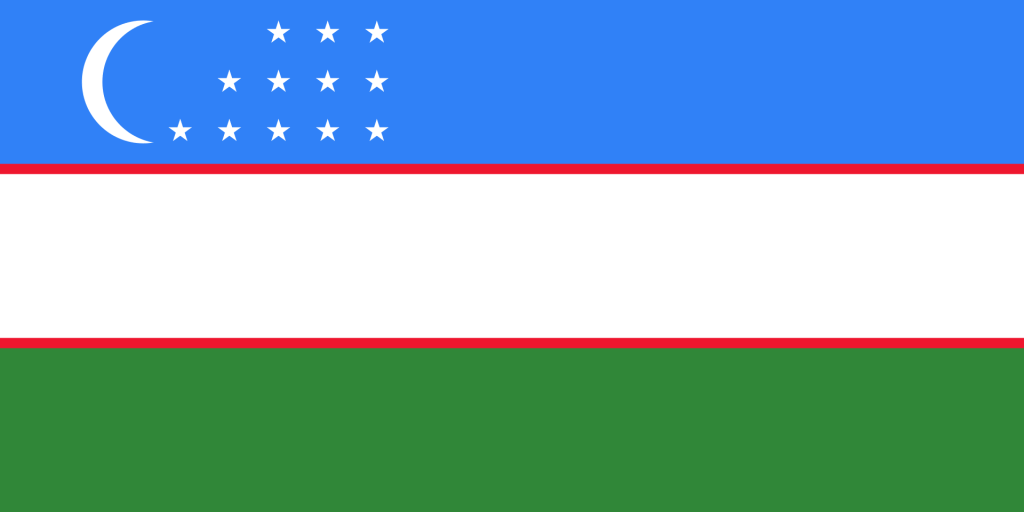
Uzbeks: The Uzbeks are a Turkic ethnic group primarily native to Uzbekistan and broader Central Asia, representing a historic crossroads of nomadic steppe traditions and sophisticated oasis civilizations. Renowned for their ancient Silk Road cities like Samarkand and Bukhara, their culture is a rich synthesis of the region, reflected in intricate blue-tiled architecture, vibrant ikat textiles, and the complex Maqom musical tradition. As a traditionally sedentary and agricultural society with a profound intellectual legacy in science and poetry, they remain a demographic and cultural cornerstone of the region, centered on values of hospitality, family, and a world-famous culinary heritage.
Performance by Seattle Shashmaqam 
Bahor: “O, you with the dreamy eyes—come, Spring, come. O, strength of my soul—come, Spring, come. You are a graceful beauty of Tanovar, a beauty with a radiant face. You are my beloved soulmate; come, Spring, come. From your arrival from afar to your departure—may your beloved take your every misfortune upon himself; may it be a healing cure for many. If health returns and the nightingales sing, even if your gaze should fall upon another—may your eyes never smile for them; may they never answer, ‘It is I.’”
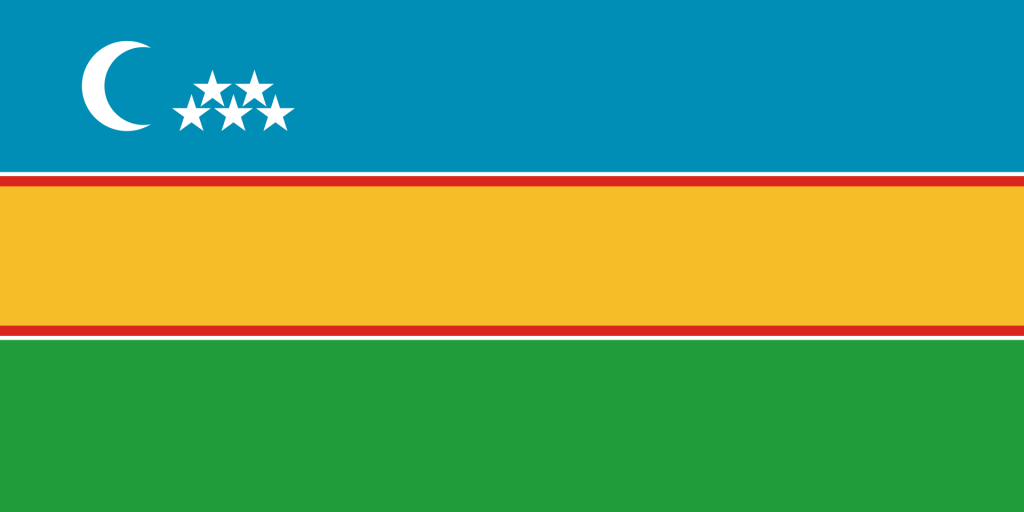
Karakalpaks: Closely related to the Kazakhs and Uzbeks, the Karakalpaks primarily reside in the Aral Sea region. Their name means “Black Hat,” and they are known for their distinct folk art, particularly embroidery and yurt weaving, as well as a history shaped by the unique ecology of the Amu Darya delta.
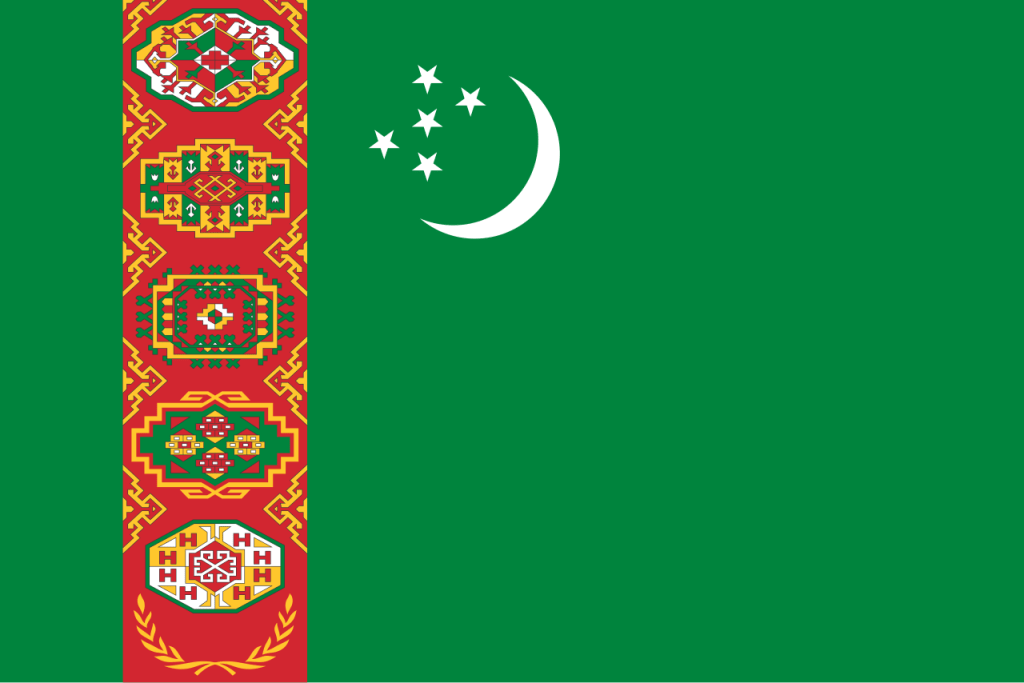
Turkmens: Descendants of the Oghuz tribes, the Turkmen are famous for their world-renowned Akhal-Teke horses and the intricate artistry of their hand-woven carpets. Historically organized into powerful tribes, their culture emphasizes independent spirit and a rich oral heritage of poetry and song.
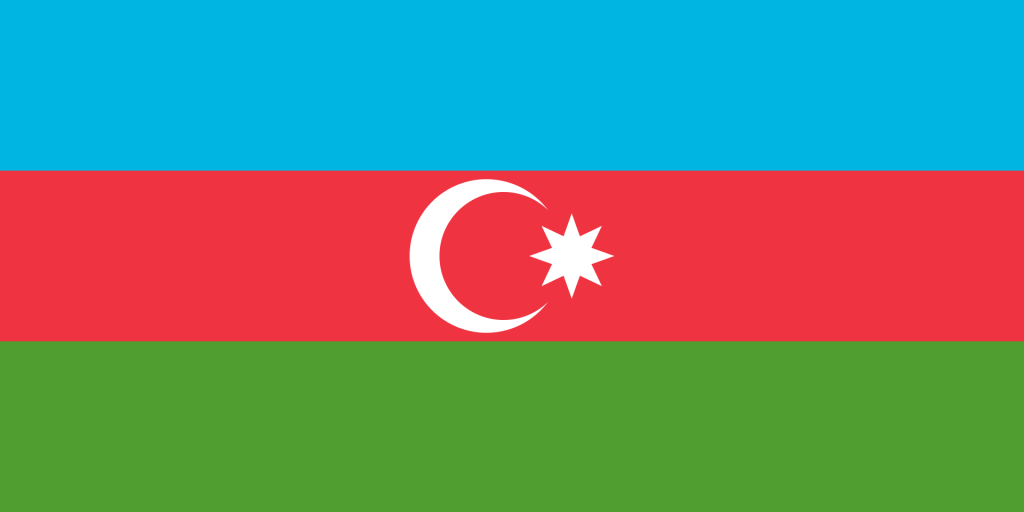
Azerbaijanis: Based in the Caucasus and northwestern Iran, Azerbaijanis are an Oghuz Turkic people with a sophisticated culture that blends Turkic, Persian, and Caucasian influences. They are celebrated for their Muğam musical tradition, intricate carpet weaving, and a long history of philosophical and poetic achievement.
Performance by Rain City Muğam
“Senden Nigaranam” (I am Anxious for You) is a poignant and timeless Azerbaijani song that explores the deep emotional landscape of longing and protective concern. The title revolves around the word nigaran, which describes a specific state of restless anxiety and heartfelt worry for a loved one’s well-being during their absence. Often performed with the evocative, vocal-like ornaments of the tar or the soulful wail of the kamancha, the composition balances a delicate melodic grace with a sense of urgent vulnerability. It remains a classic of the Azerbaijani repertoire, celebrated for its ability to transform the personal ache of separation into a universal expression of devotion and tenderness.
“All my life, there has been a longing in my eyes and a wish in my heart. I carry this yearning; I carry it through life without you. I am getting by somehow, living on without you, but I am only anxious for you—I worry for you alone. Life passes by, slowly and steadily. You don’t even know if I truly exist anymore or if I am gone. I only ask of you, only seek news of you; I am so anxious for you. Sometimes it all comes back to mind, back to memory, even if those days are just a fairy tale now—a sweet, distant tale. Even if the whole world were to fall apart, if the world itself collapsed, I would still only be anxious for you; I would only worry for you.”
Performance by Anadolu Turkish Folk Dancers
The Yalli is the ancient and quintessential circle dance of Azerbaijan, representing a tradition of collective joy and communal strength that dates back thousands of years. Known for its rhythmic energy and synchronized movements, it is often performed at weddings and festivals, where participants link arms or hold hands to form a great chain. Recognized by UNESCO as a masterpiece of intangible heritage, Yalli is more than just a dance—it is a powerful symbol of unity, reflecting the historical deep-rootedness of Azerbaijani culture and its enduring spirit of togetherness.
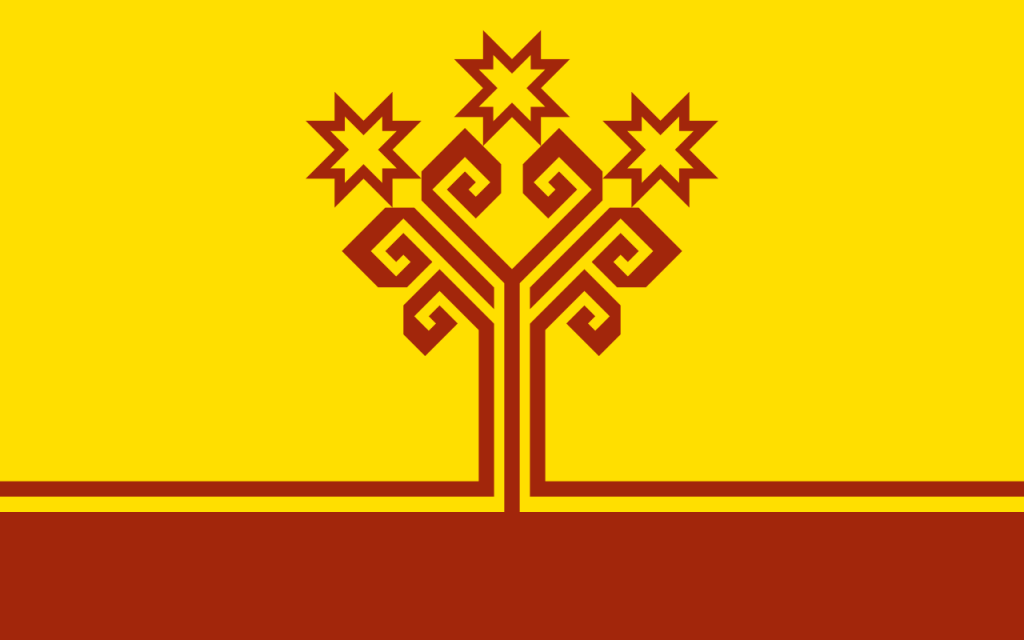
Chuvash: A unique Turkic group in the Volga region, the Chuvash are the primary descendants of the Oghur branch, making their language distinct from other Turkic tongues. Traditionally agriculturalists, they have preserved a rich folk culture characterized by intricate white-and-red embroidery and unique polyphonic singing.

Tatars: The Tatars are a diverse group with a powerful historical legacy, particularly the Volga Tatars, who were the heart of the Golden Horde and later the Khanate of Kazan. They are known for their high literacy rates, urban intellectual history, and the distinct architecture and cuisine of the Volga-Ural region.
Bashkirs (Bashkorts): Native to the southern Ural Mountains, the Bashkirs were historically semi-nomadic warriors and honey collectors. Their culture is defined by a strong sense of independence, the kuray (flute) music, and a deep reverence for the mountainous forests and steppes they inhabit.
Performance by Ruslan Girfanov and Yulia Shipulina (Click here for bio)
Ayda Biyergä: It expresses lightness, joy, and a love of life. In Tatar culture, people have always valued not only hard work and dedication, but also the ability to celebrate, to dance, and to enjoy time together. This song reflects exactly that — an invitation to dance, have fun, and share positive energy with others.
Performance by Tavysh
“Ah Sin Zaman” (Oh, You Time) is a classic and soulful Tatar song that serves as a poignant reflection on the fleeting nature of life and the relentless passage of time. A staple of the Tatar lyrical tradition, the song often features a bittersweet melody that balances nostalgia for the past with a philosophical acceptance of change. Its lyrics speak to the universal human experience of watching the years drift away, capturing the unique Tatar spirit of mung, a deep, melodic melancholy that is both sorrowful and beautiful. It remains a beloved piece for its ability to evoke a shared sense of history and the enduring resilience of the heart against the turning tides of time.
“Time, why do you not awaken the Tatars? Oh, you, Time! Why do you not stir them? You must grant them knowledge so that they may be enlightened. Oh, you, Time! Why do you never teach? The desert, the universe, the stars, and the truth have all been left behind. Oh, you, Time! Why do you not elevate the Tatars?”
Performance by Ruslan Girfanov and Yulia Shipulina (Click here for bio)
Kaz Kanaty: This piece carries a more lyrical and introspective mood. It is inspired not only by Tatar culture, but also by Bashkir traditions, as our cultures are closely connected and have influenced each other through language, music, and dance. The song itself speaks of the soul, freedom, and quiet longing. The image of a goose’s wing symbolizes the dream of flight, the desire for freedom, and at the same time the fragile and vulnerable nature of the human spirit.
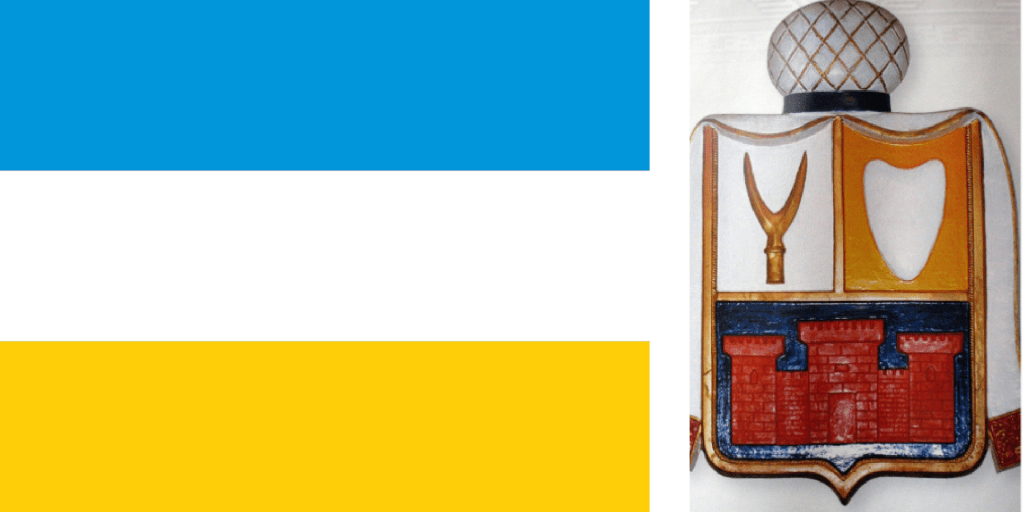
Karaim: A small Turkic-speaking group primarily found in Lithuania, Ukraine, and Poland, the Karay are unique for practicing Karaite Judaism. Their language, Karaim, is a preserved Kipchak dialect, and their culture reflects centuries of life at the crossroads of the Turkic and European worlds.
Performance by Tavysh
Bir elimde kemanem: “This next piece is a spirited Crimean Karay folk melody that captures the playful, flirtatious energy of a traditional village gathering. While originally a song about a traveling musician and a charming youth, we will be performing it as an instrumental showcase. Listen for the rhythmic ‘dialogue’ between the strings and the percussion.. It’s a track that celebrates the joy of the moment, the ‘melting’ of a cold heart, and the irresistible invitation to dance.”
Performance by Tavysh and Anadolu Turkish Musicians
Ijisi baraśkiniń: “The Smells of Friday” is a nostalgic tribute to Trakai, the historic lakeside home of the Karaim community in Lithuania. By blending the grand history of the Vytautas fortress with the domestic comfort of traditional cooking, the song celebrates the arrival of the Sabbath. It serves as a warm, sensory reminder for the next generation to find strength and identity in the culinary heritage and enduring customs of their ancestors.
“My heart longs to fly to Trakai like a bird, whenever my nose is tickled by the scents of Friday. There on the island stands a castle, the fortress of Vytautas, where the noodles curl their moustaches—oh, those smells of Friday! Son of the Karaim, follow the path of your ancestors. Let the spirit of these Friday traditions make you ever stronger.”

Kyrymchak: A critically endangered Turkic-speaking Jewish community from Crimea, the Kyrymchaks historically blended Sephardic and Ashkenazi religious traditions with a Turkic lifestyle. Their culture is deeply rooted in the historical urban centers of the Crimean Peninsula, particularly around Belogorsk and Simferopol.

Crimean Tatars: Formed on the Crimean Peninsula, this group developed a distinct identity through the Crimean Khanate, blending nomadic traditions with Mediterranean urban culture. They have a tragic modern history of deportation and return, which has forged a powerful and resilient national identity focused on the preservation of their homeland.
Performance by Anadolu Turkish Musicians
Karşıdan Fener Gelir (A Lantern Approaches) is a vibrant Crimean Tatar folk song that captures the excitement of a festive coastal evening. Its driving rhythm and melodic charm depict the bobbing light of a lantern signaling a late-night arrival or the start of a celebration. This song is a joyful invitation to dance and a testament to the spirited cultural vitality of the Crimean Tatar people.
“A lantern flickers from across the way, and a rush of thoughts fills my mind. I am still so very young; who can say what trials might befall me? I caught sight of you from afar and mistook you for a crimson rose. I cherished you too much even to pluck you, yet now, I have lost you to another. Water flows from the root of the rosebush, but the foam is too bitter to drink. Even if the world were filled with beauties, I would never turn my heart from my beloved.”
Performance by Evren’s Art and Music Collective
Mahur Peşrev” is a masterpiece of the Crimean musical tradition, composed by Gazi Giray Han II, the 16th-century sovereign of the Crimean Khanate. Known as “Bora” (The Storm) for his military prowess, Gazi Giray was equally revered as a “Sahib-i Seyf ü Kalem” (Master of the Sword and Pen), a rare ruler who was also a brilliant poet and composer. This instrumental work, set in the Mahur makam, is celebrated for its structural elegance and regal character. It serves as a bridge between the courtly traditions of the Crimean Khanate and the broader Ottoman musical world, reflecting the Khan’s sophisticated artistry. Even centuries later, this peşrev remains a foundational piece in the classical repertoire, embodying a unique blend of majestic strength and melodic grace.
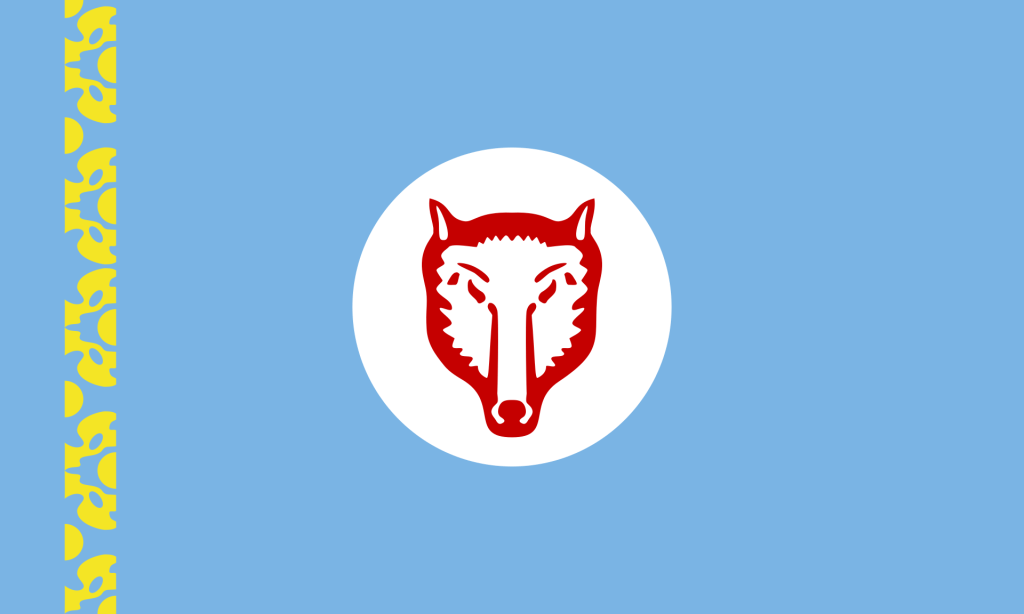
Gagauz: A Christian Turkic group living primarily in Moldova, the Gagauz are believed to be descendants of Oghuz or Pecheneg tribes. Their culture is a fascinating blend of Turkic language and Balkan traditions, particularly in their viticulture, cuisine, and orthodox religious practices.
Performance by XXXXXXXXXXXXXXXX
This song is a vibrant celebration of Hederlez, the most important spring festival for the Gagauz people. Commemorating the awakening of nature and the start of the pastoral year on St. George’s Day (Ay Görgi), the lyrics pair the beauty of blooming meadows with a plea for spiritual “pure hearts.” It is an anthem of renewal and optimism, honoring the deep connection between the Gagauz community and their ancestral lands.
“White flowers bloom along my path, as the early spring brings us hope. The month of Ay Görgi is drawing near. In the colors of these blossoms and the traces of our footsteps—Hederlez, come and protect us. Spring has settled upon the meadows; the world is peaceful and bright. But hey, do not lose your hope—if you waver, do not act in haste; there is no use in withering away. Open up, let the flowers remain, and let a pure heart dwell in every soul. Ay Görgi is here. Come and go, let the travelers wonder; let our lives be filled with pure wisdom. May Hederlez bring us its blessings.”
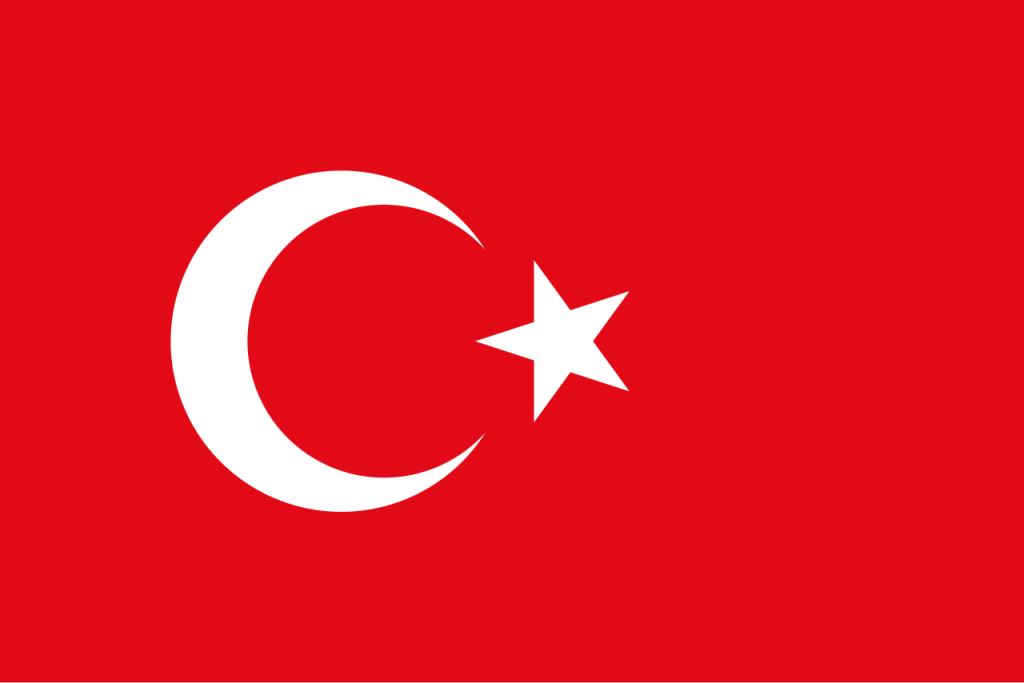
Turkish: The largest Turkic group, the Turkish people of modern Turkey are descendants of Oghuz tribes that migrated to Anatolia, eventually establishing the Ottoman Empire. Their culture is a massive synthesis of Central Asian, Middle Eastern, Mediterranean, and Balkan influences, characterized by a world-renowned cuisine, rich literary history, and a modern secular-national identity.
Performance by Anadolu Turkish Folk Dancers
“Burçak Tarlası” (The Vetch Field) is a spirited and defiant Turkish folk song that tells the story of a young bride’s struggle with the backbreaking labor of the harvest. Traditionally performed with high-energy footwork, the dance captures both the rhythmic toil of the fields and the bold, rebellious wit of a woman standing up to her husband and mother-in-law. It is a lively celebration of rural life, grit, and humor.
“Hudayda” is a high-energy, rhythmic folk dance from the Central Anatolian tradition, characterized by its playful spirit and sharp, synchronized movements. Traditionally accompanied by the bağlama or kaşık (wooden spoons), the dance mimics the lively banter and social vitality of village celebrations. With its driving beat and infectious joy, it is a quintessential “oyun havası” that invites everyone to the floor to celebrate community and the pulse of regional life.
Performance by Anadolu Turkish Musicians
“Uzun İnce Bir Yoldayım” (I am on a Long and Narrow Path) is perhaps the most iconic work of Aşık Veysel, the legendary blind folk poet and minstrel of the Anatolian ashik tradition. Written with a profound, earthy philosophy, the song serves as a powerful metaphor for the human journey from birth to death. Its hauntingly simple melody and repetitive, rhythmic structure reflect the steady “walking” of a traveler who, as Veysel famously put it, “walks day and night” toward an inevitable destination. This piece has transcended its folk origins to become a universal anthem of the human condition, blending the spiritual depth of Sufism with the timeless wisdom of the Anatolian soul.
“I am on a long and narrow path; I walk by day and night. I know not what state I am in; I walk by day and night. The moment I entered this world, I began my journey. In this guesthouse with two doors, I walk by day and night. Even in sleep, I keep moving, searching for a reason to rise. I see all those who have passed before me. For forty-nine years on these roads—through plains, mountains, and deserts—I have wandered far from home. If one reflects deeply, the distance seems vast at first; yet the journey is over in a heartbeat. Veysel marvels at this life, sometimes weeping, sometimes laughing. To reach my final destination, I walk by day and night.”
Performance by Anadolu Turkish Folk Dancers
xxxxxxxxxxxxxxxxxxxxxxxxxxxxxxxxxxxxxxxxxxxxxxx
 Umay's Children